Shares of Tencent Holdings surged 4.8% to HK$452 on July 6, pushing its market cap to HK$4.11 trillion, as a trio of catalysts landed on the same day. The rally tells a clear story: investors are rewarding Tencent's pivot from passive internet investor to active AI builder. Whether that pivot justifies the price tag is the harder question.
A New AI Model Designed to Be Cheap, Not Big
Tencent's new flagship AI model achieves a 90% task-completion rate on its enterprise tools and outperforms rival models from DeepSeek and Alibaba's Qwen on key benchmarks — despite being a fraction of their size. The model is priced at just RMB 1 ($0.15) per million input tokens , an aggressive bet that cheap AI will drive volume across Tencent's ecosystem. Since an earlier preview launched in April, daily usage has increased twentyfold . The model is already embedded in several Tencent products including its coding assistant, its AI chatbot Yuanbao, and its enterprise productivity tools . Low prices juice adoption but squeeze cloud margins — a trade-off investors are ignoring for now.
WeChat's AI Assistant Moves From Concept to Countdown
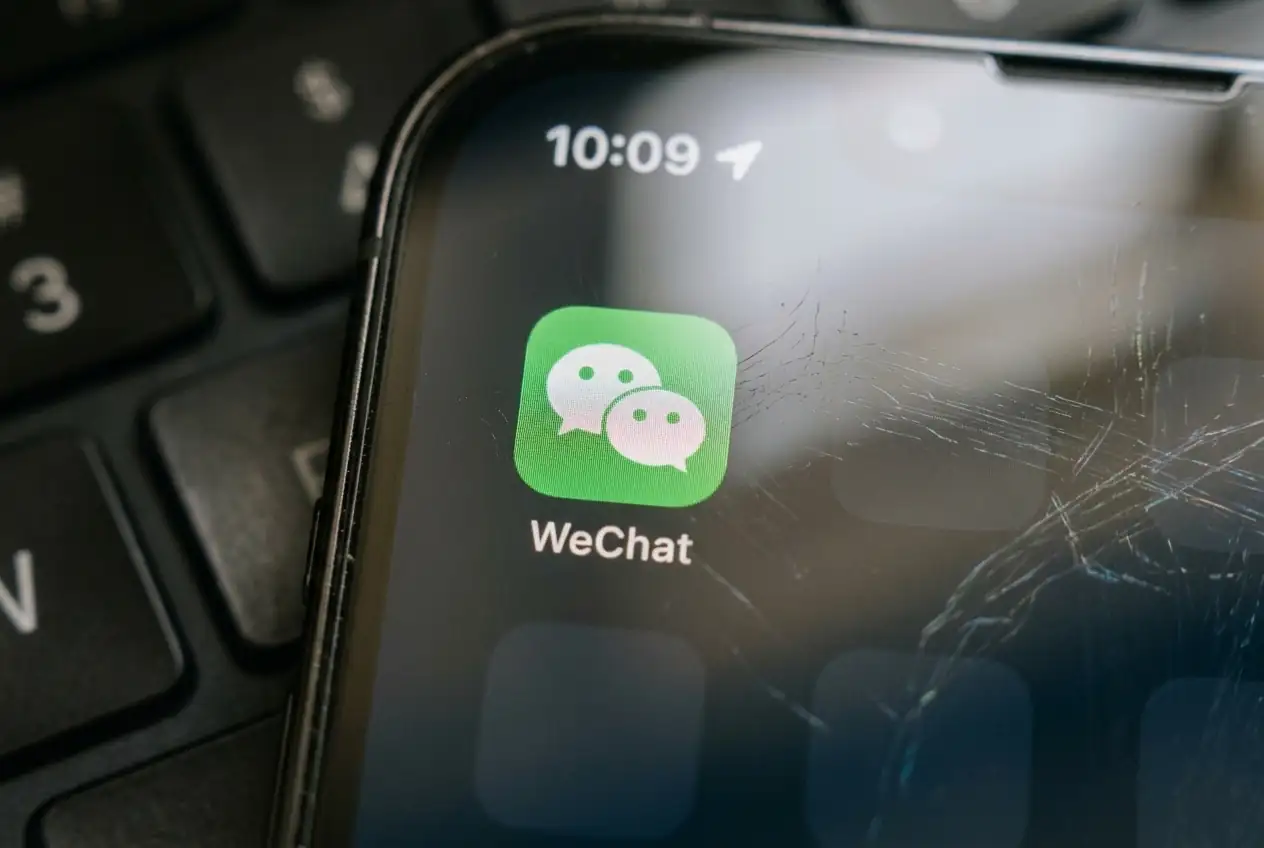
JPMorgan noted that Tencent began beta testing its WeChat AI Agent in June 2026, significantly increasing the bank's confidence in Tencent's value-creation framework . JPMorgan maintains an "Overweight" rating with a target price of HK$690 — roughly 53% upside. The bull case: WeChat has 1.43 billion monthly users and millions of mini-programs handling everything from food delivery to hospital bookings. An AI agent that can navigate those services via simple text commands could become a commerce gateway. The bear case: rival ByteDance's AI chatbot Doubao has over 200 million daily users but generates less than $150,000 a day in revenue . Nobody has proven consumer AI can pay for itself outside coding tools.
Dumping Kuaishou Stock to Fund the Transition
Tencent sold $1.5 billion of stock in short-video rival Kuaishou, paring mature internet bets during a pivot to artificial intelligence . The sale cuts Tencent's Kuaishou stake to about 9.37% from 15.68% , dropping it below the "substantial shareholder" threshold. Tencent faces a 90-day lockup on its remaining shares . Tencent has now raised over RMB 10 billion by trimming stakes in listed companies — cash it is funneling straight into AI infrastructure. The message to shareholders: legacy portfolio returns are being recycled into a bet whose payoff timeline remains unclear.
The Bottom Line: Tencent is executing a visible, well-sequenced AI strategy. The risk is that visibility is not the same as profitability — and the market is pricing the former while the latter remains unproven.