Shares of the Select STOXX Europe Aerospace & Defense ETF (EUAD) slid 3.2% to $40.29 on Thursday as Iran's flat rejection of a U.S. ceasefire plan shattered the fragile optimism that had powered the fund's 2.3% rally just one day earlier. Brent crude surged to $106.12 (+3.8%), with the Strait of Hormuz still effectively blocked , dragging industrials and risk assets down worldwide. For holders of this concentrated 13-stock portfolio — topped by Airbus, Rolls-Royce and Rheinmetall — the question is whether long-term rearmament spending can offset the near-term pain of $100-plus oil.
A Ceasefire That Wasn't Sends Markets Into Reverse
Iran's Foreign Minister said his government "has not engaged in talks to end the war, and we do not plan on any negotiations."
Tehran's own five-point counter-demand includes war reparations and continued "sovereignty over the Strait of Hormuz" — conditions virtually guaranteed to be rejected by Washington. That killed the ceasefire-hope trade that briefly lifted European equities on Wednesday. Leading European indices opened Thursday with losses of 0.4%–0.8% following an Asian sell-off.
Oil Above $100 Hurts the Aerospace Side of the Business
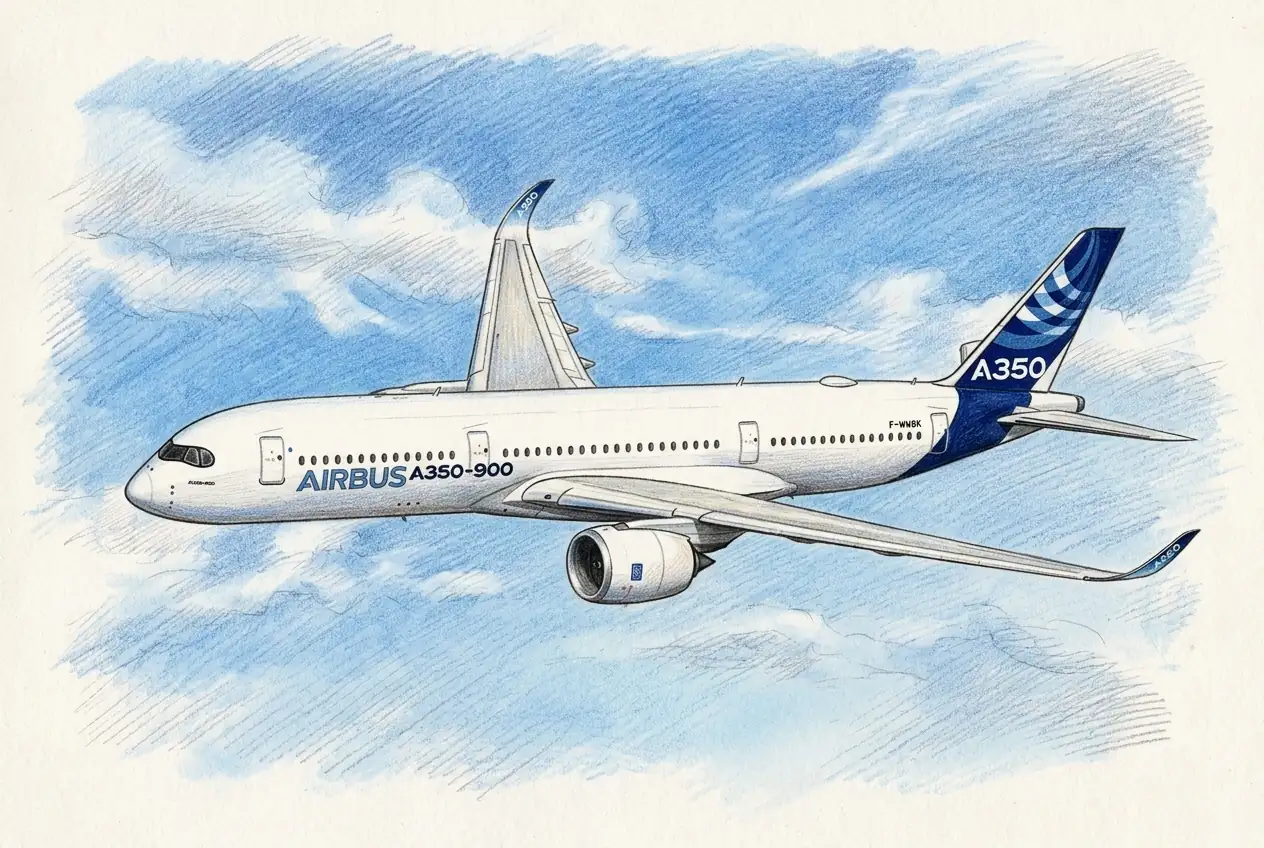
Oil prices have climbed around 40% since the war began four weeks ago, with the Strait of Hormuz largely closed. That's poison for Airbus and Rolls-Royce's commercial aviation revenue. Persistently high oil prices could drag on overall economic activity and "cut into the earnings engine behind civilian air travel," noted Fidelity's defense portfolio manager. EUAD's heavy tilt toward dual-use aerospace names means the fund absorbs pain other pure-play defense portfolios avoid.
Europe's Rearmament Wave Provides a Floor — But It's Tested
Germany's defense spending has roughly doubled from 1% of GDP a decade ago to over 2% last year, with plans to jump to 3.5% in 2026.
EUAD gained more than 73% in 2025 on this structural trend. But the fund isn't immune to broad risk-off moves: the STOXX Aerospace and Defense index fell nearly 3% on March 3 despite being the supposed beneficiary of the conflict.
Whipsaw Trading Is the New Normal EUAD has swung between $40.70 and $42.54 in just five sessions, a pattern mirroring the daily headline cycle from the Middle East. Any confirmed ceasefire deal would trigger a sharp $10–15 drop in Brent as the risk premium unwinds , likely snapping defense names lower while lifting the fund's aerospace holdings. Shareholders face an unusual hedging problem: the same war that fills order books is choking the commercial engine that generates cash today.