Shares of Janus Electric Holdings sat flat at $0.10 on June 11, marking a pause after a brutal week that shaved nearly 29% off the stock from its June 5 close of $0.14. Investors are absorbing the company's latest capital raise and expansion push, and the question now is whether new money can translate into enough truck conversions to turn a pre-revenue company into a real business.
Dilution Stings Even When Investors Are Eager. Janus raised A$4.5 million in May via a private placement, issuing 26.45 million new shares at A$0.17 each — a 17.1% discount to the last traded price at the time . The deal was more than twice oversubscribed , signaling institutional appetite, but the discount and share dilution have weighed on the price ever since. A follow-on June 10 announcement of over $8.6 million in total new capital, including R&D facilities, compounds the dilution pressure. For a company with a market cap of roughly $12.9 million and trailing twelve-month revenue of just $1.91 million , every new share issued represents meaningful ownership erosion.
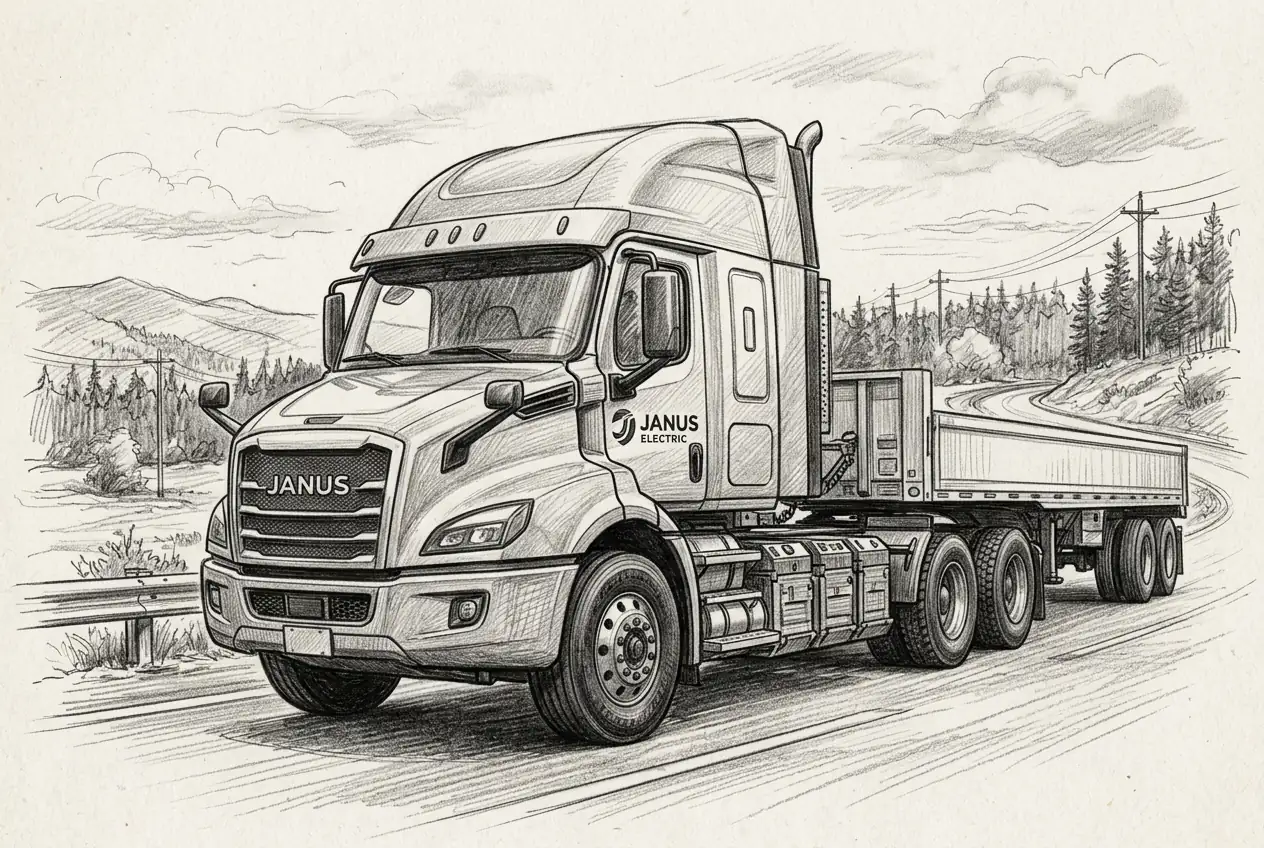
28 Trucks Is a Pilot Program, Not a Fleet. Janus currently has just 28 electric trucks operating with customers across Australia, Canada, and California . Its new South Australian conversion center expects about 50 truck conversions in its first year, potentially scaling to 150–200 annually . The company is targeting an 800-truck market entry, pricing each conversion at around A$175,000 . That implies roughly A$140 million in potential revenue — but only if demand materializes at a scale that remains unproven.
Cash Burns Fast With No Clear Path to Profitability. The company has less than a year of cash runway based on current trends, burning approximately A$11 million in negative free cash flow . Return on assets sits at -55.6% and return on equity at -502.7% , underscoring that spending far outpaces income. Repeated capital raises risk becoming a cycle: burn cash, dilute shareholders, repeat.
The U.S. Push Is the Make-or-Break Variable. California remains a major focus due to strong government incentives and zero-emission mandates , and proceeds are earmarked for U.S. and Canadian certification and hiring . If regulatory tailwinds — meaning government rules that force trucking companies toward electric — hold, the American market could provide the volume Janus desperately needs. If they don't, a $0.10 stock with negative cash flow has very little margin for error.