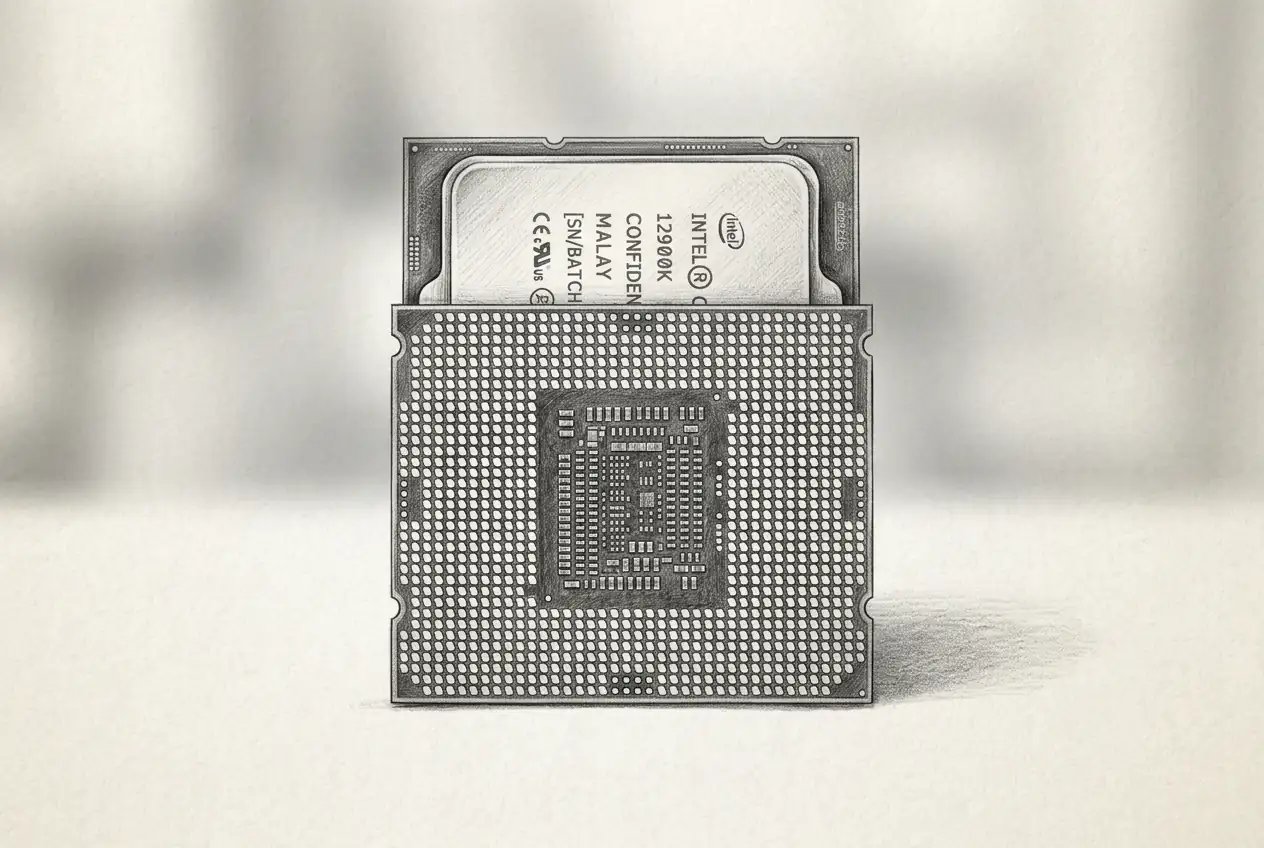
Shares of Intel cratered 9.7% to $22.97 on INTCD.BA as investors punished the chipmaker for confirming price increases on select high-end consumer and server processors — a move that collides with an already jittery semiconductor tape and growing fears about downstream PC demand.
- Server Chip Prices Jump Over $1,000, and the Market Is Asking Who Pays
Intel confirmed selective price hikes with high-end Xeon server models rising by over $1,300.
On the consumer side, increases range from $30 to $50, translating to roughly 15%–16% effective hikes on select desktop chips. Intel frames this as a response to "current market dynamics," but the company raised prices only on products with unexpectedly strong demand, meaning this is not a simple cost pass-through but a targeted price hike on popular chips. That distinction matters: it signals Intel is testing how much pricing power it actually has — and the stock's reaction suggests Wall Street doubts the answer.
- AI Demand Is Redirecting Factory Capacity Away From Everyday Buyers
Since March, consumer CPU prices have risen 5%–10%, server CPU prices 10%–20%, and average lead times have stretched from 1–2 weeks to 8–12 weeks.
Intel's consumer chips use the same advanced manufacturing technology as AI accelerators from AMD and Nvidia, meaning high demand for AI chips may be driving up Intel's own costs from its supplier TSMC.
Industry trackers estimate cumulative consumer hikes could approach 30% by year-end. For PC makers like Lenovo and HP, that threatens to dampen shipments right as the market needs volume growth.
- Intel's Turnaround Story Faces a Valuation Reality Check
Intel now carries a market capitalization of about $638 billion — roughly 12 times its revenue run rate — for a business that isn't yet profitable.
Wall Street's consensus target of $96 implies 31% downside, with 31 of 48 analysts rating Intel a Hold. The stock is up over 200% year-to-date, largely on foundry optimism and a reported Apple manufacturing deal. Pricing power helps gross margins, but if it crimps unit volumes, the revenue math gets worse at a moment when Q2 2026 earnings on July 23 will show whether the guided $13.8B–$14.8B revenue band and 39% gross margin can support the stock's premium.
- AMD Is Holding Prices Steady, Sharpening the Competitive Knife
AMD hasn't moved on pricing for its competing desktop chips, putting Intel in the uncomfortable position of asking more while offering less of a generational performance advantage.
AMD has committed to supporting its current motherboard platform through at least 2027 , while Intel's socket is a dead end. That value gap hands AMD a recruiting tool with every dollar Intel adds.