Shares surged +3.3% to $950.30 as investors digested a one-two punch: a $7.8 billion deal to buy Centessa Pharmaceuticals and a $2.75 billion AI drug-discovery partnership with Insilico Medicine — signaling that Lilly is spending its obesity-drug windfall at an accelerating pace.
Lilly Is Paying a Fat Premium for Drugs That Don't Exist Yet. Lilly will pay $38 per share upfront — a 38% premium to Centessa's prior close — totaling $6.3 billion in cash.
If Centessa's drugs win FDA approval by certain deadlines, Lilly will pay up to another $1.5 billion. The catch: analysts don't expect Centessa's lead drug to be approved until 2028 , and Centessa won't be the first to market — a rival drug from Takeda is under FDA review and could be approved this year. Lilly is paying billions for a second-mover position in a market that barely exists.
The Sleep Market Could Be Enormous — If Patients Show Up. Oppenheimer estimates orexin-based treatments for narcolepsy and severe sleep disorders could amount to a $15–$20 billion market if even about one-quarter of patients seek treatment. Lilly CEO David Ricks compared the pathway's potential to GLP-1 drugs, arguing "sleep and wakefulness are core to our functioning" and that Lilly would explore broad uses. That's ambitious framing for a still-unproven drug class.
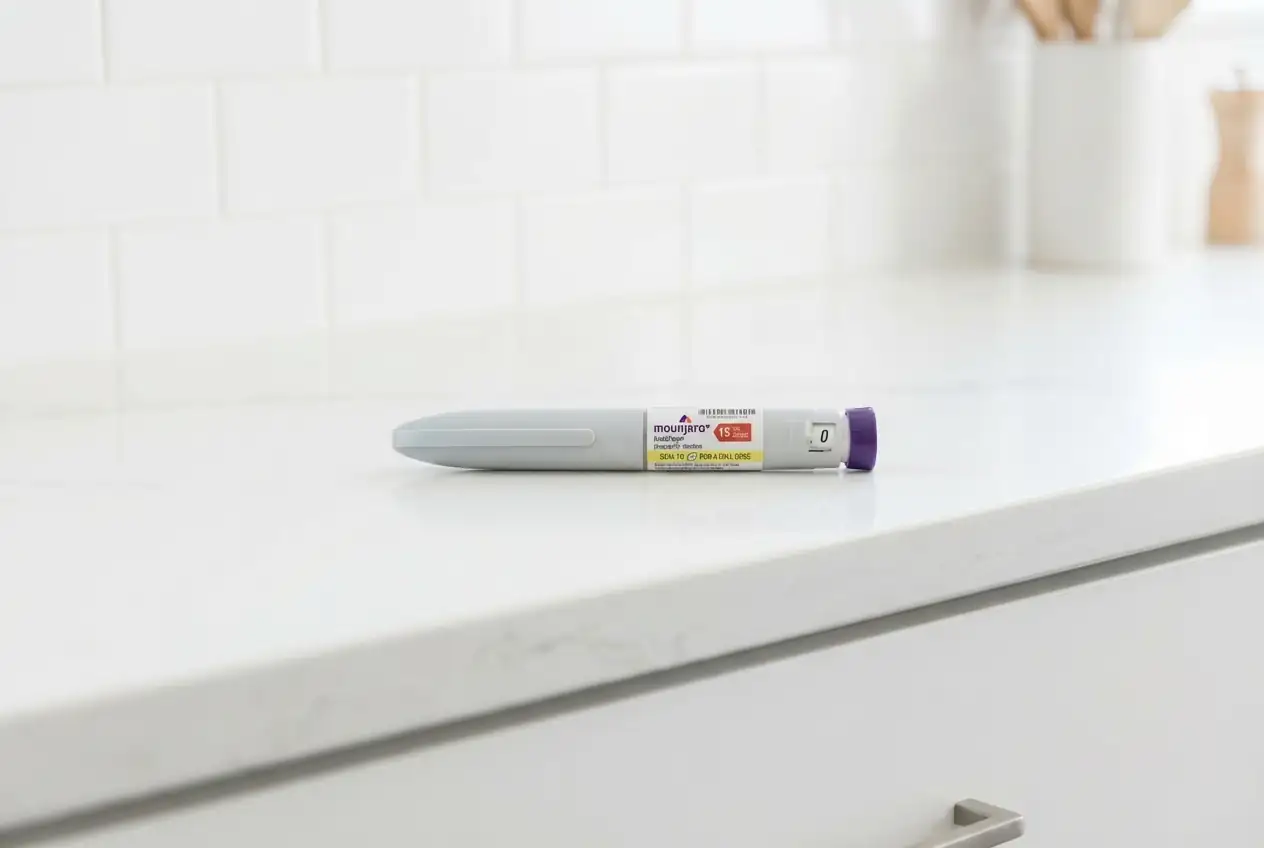
The Acquisition Spree Reveals a Diversification Imperative. This is Lilly's fourth acquisition in a year, funded by $36.5 billion in 2025 revenue from its weight-loss and diabetes drugs Mounjaro and Zepbound.
Over the past 12 months Lilly has also bought gene-editing firm Verve ($1.3B), eye-disease maker Adverum ($75M), and inflammation developer Ventyx ($1.2B).
Lilly will need to keep innovating to avoid steep "patent cliffs" — the revenue drop when exclusive rights to blockbuster drugs expire.
The AI Deal Is Cheap Insurance With Long Odds. Lilly will pay just $115 million upfront to Insilico Medicine, with payouts reaching $2.75 billion only if drugs actually reach the market.
Insilico has developed at least 28 drugs using generative AI, with nearly half already in clinical trials.
Lilly has also committed $1 billion over five years with Nvidia to build AI infrastructure for drug discovery. The strategy: use AI to compress timelines and fill the pipeline cheaply, while using M&A cash to grab near-term clinical assets. Whether either bet pays depends on FDA outcomes years away. Barclays reiterated an Overweight rating with a $1,350 price target — roughly 42% above today's price — suggesting Wall Street is betting the spending spree will pay off.