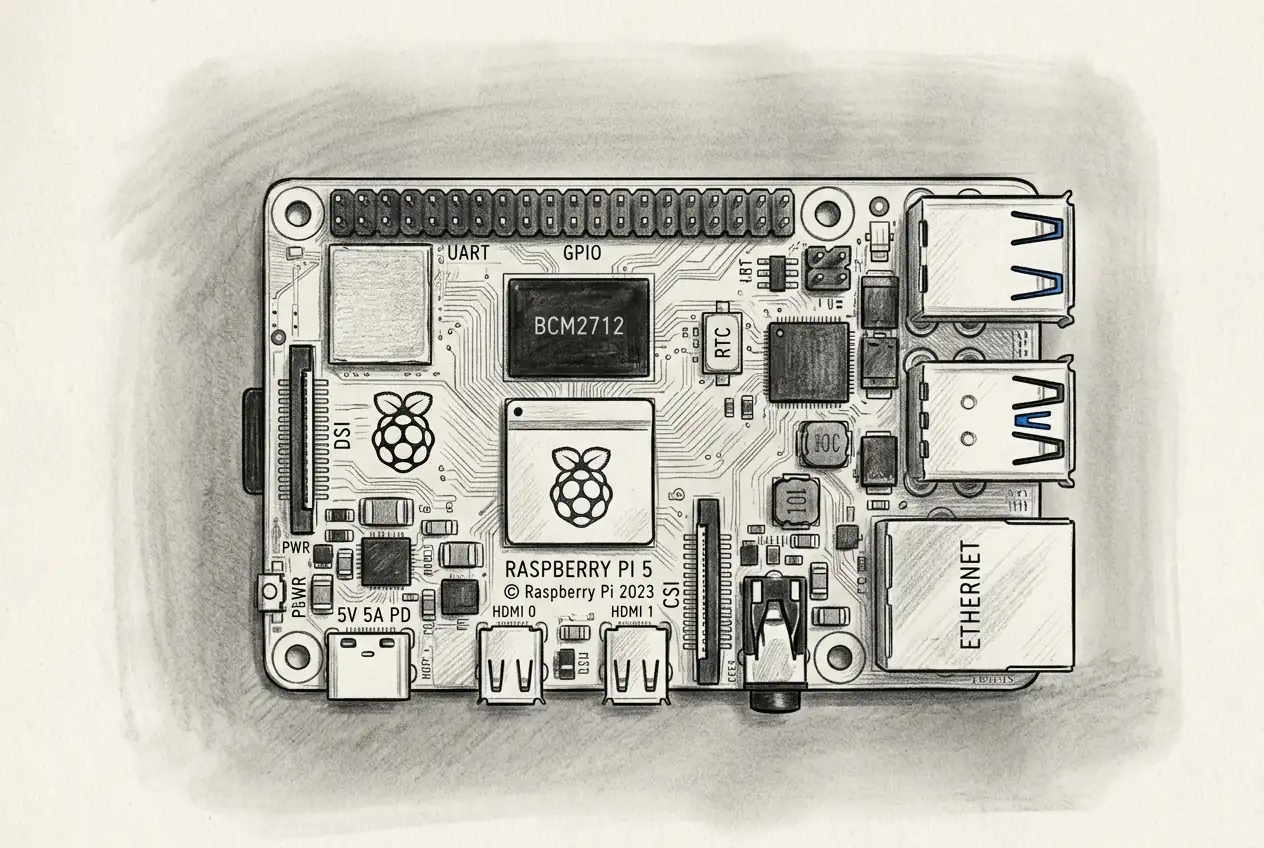
Shares in Raspberry Pi Holdings (RPI.L) tumbled 8.2% to 668p on July 20, erasing gains from a furious rally that had propelled the stock more than 20% higher in early June. No fresh negative catalyst emerged — this is classic profit-taking after a parabolic run. The question now: does the underlying business support a price that, even after the pullback, sits at levels that make most analysts uncomfortable?
A Blockbuster Guidance Upgrade Ignited the Rally — But the Easy Money May Be Spent
On June 5, Raspberry Pi said first-half profitability would be "materially ahead" of a year earlier, forecasting adjusted EBITDA of at least $38 million and unit shipments topping 4 million.
For the full year, management said EBITDA would come in "significantly ahead" of the $42 million analyst consensus — a rare mid-year beat-and-raise from a hardware company. The stock rocketed to an intraday high of 963.5p, rising roughly 42% from its mid-May level near 673p. That euphoria has now deflated by about a third.
Cheap Memory Drove the Beat, and That Advantage Is Temporary
The company itself flagged that the inventory benefit boosting first-half margins is temporary: "Unit economics are expected to moderate in H2 as inventory of memory procured at a lower cost in earlier periods is depleted."
Raspberry Pi has faced pressure securing DRAM components as memory makers divert capacity to AI data-centre operators. Rising memory costs in the second half could compress the very margins that wowed the market.
Insiders Sold Millions of Pounds in Stock Right After the Upgrade
CEO Eben Upton offloaded 190,000 shares and Chief Commercial Officer Mike Buffham sold 60,000 shares on June 9, transactions together valued at over £2.4 million.
Deutsche Bank responded by lifting its target to just 650p — below today's price — while maintaining a Hold rating. Insider selling after a spike doesn't always signal trouble, but at scale it tempers the bull case.
The Valuation Demands Perfection the Business Can't Guarantee
Even after the selloff, the stock trades at roughly 93 times estimated forward earnings — compared to an average of 16x for European tech peers.
The median analyst price target sits at 510p, about 40% below the current price.
Jefferies is the outlier bull with a 960p target , but that still leaves limited upside from here. Investors are paying for perfection in a business facing real supply-chain headwinds — a mismatch that makes further volatility likely.