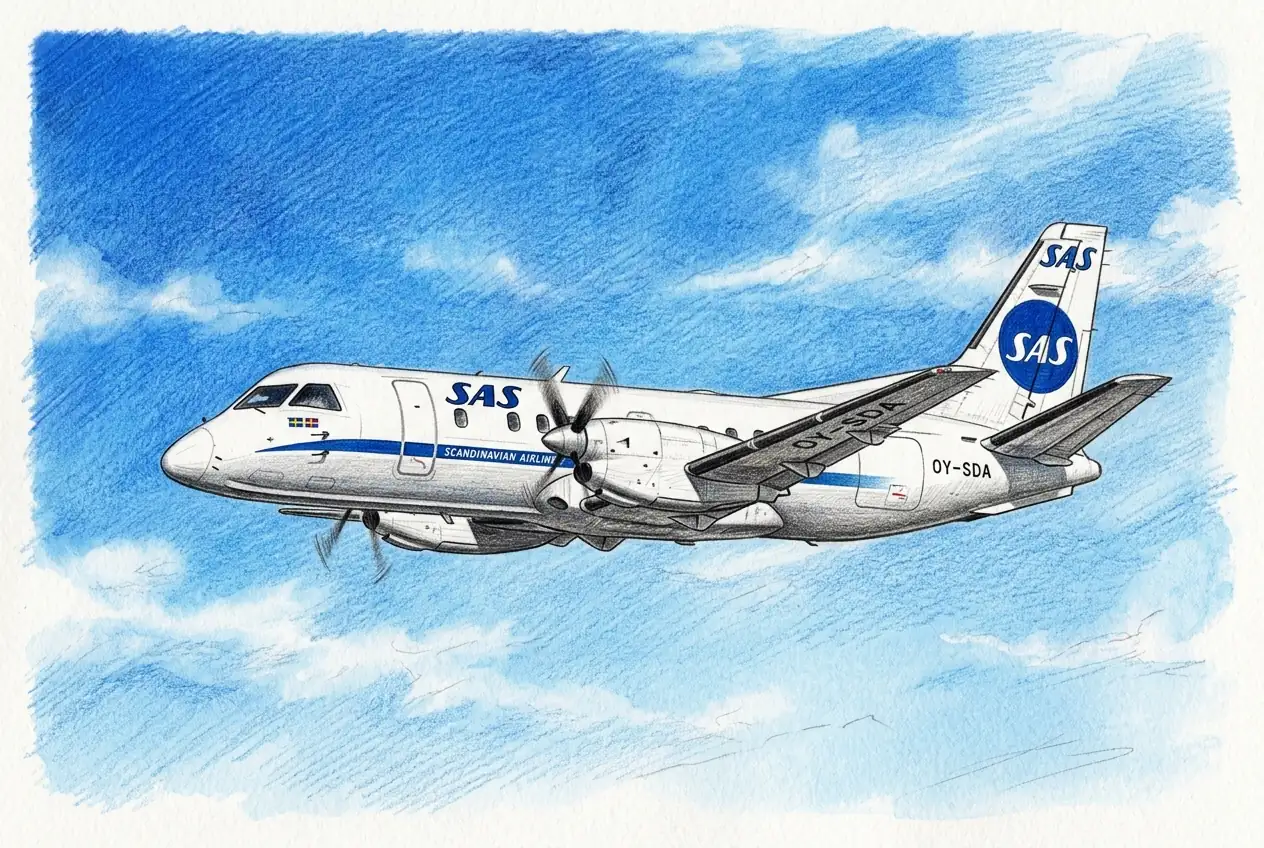
Shares of Saab surged as much as 24% in just over a week — from SEK 502.80 on June 30 to SEK 624.70 today — after a cascade of blockbuster defense deals transformed the Swedish company's near-term outlook virtually overnight. The question now: whether Saab's production capacity can match the ambitions embedded in these orders.
Three Mega-Deals in Ten Days Reshaped the Order Book. On June 29, Saab signed a contract with Poland for three stealth submarines worth approximately SEK 47 billion (~$4.8 billion), with deliveries through 2038.
The next day, it inked a SEK 24.6 billion ($2.5 billion) deal for 16 fighter jets for Ukraine, to be delivered in 2029–2030. Then on July 2, sources said NATO would announce the purchase of Saab's airborne surveillance aircraft at the Ankara summit on July 7–8.
That NATO order alone could total 10 to 12 aircraft at ~€550 million each, exceeding €5 billion before training and support costs. Combined, the three programs represent roughly SEK 120+ billion in potential new revenue stretching into the next decade.
NATO's Pick Breaks Boeing's Four-Decade Grip. If confirmed, this decision would end Boeing's position as the exclusive supplier of NATO airborne warning aircraft since 1988.
The move could also jar with President Trump, who has urged allies to buy more U.S. defense equipment. Political friction is a real risk, but the announcement comes weeks after Canada — also seeking to reduce U.S. dependence — ordered six of the same surveillance jets, the largest single order for the type so far.
The Stock Has Outrun Most Analyst Targets. At SEK 624.70, Saab now trades well above the average analyst price target of SEK 578.29 and even above Pareto's Buy-rated target of SEK 620.
Most recent price target updates cluster in the SEK 516–540 range, with several analysts maintaining cautious ratings. The stock has effectively priced in good news before a single contract euro has been invoiced.
Execution Is the Make-or-Break Factor. Sweden's own pair of A26 submarines has been under construction for 11 years and has yet to be launched — a track record that makes the 2031 first-delivery target for Poland ambitious. Meanwhile, Saab's interim results arrive July 17, giving management its first chance to explain how it plans to scale production across fighters, surveillance jets, and submarines simultaneously. For shareholders riding a parabolic rally, that presentation may matter more than the headlines.