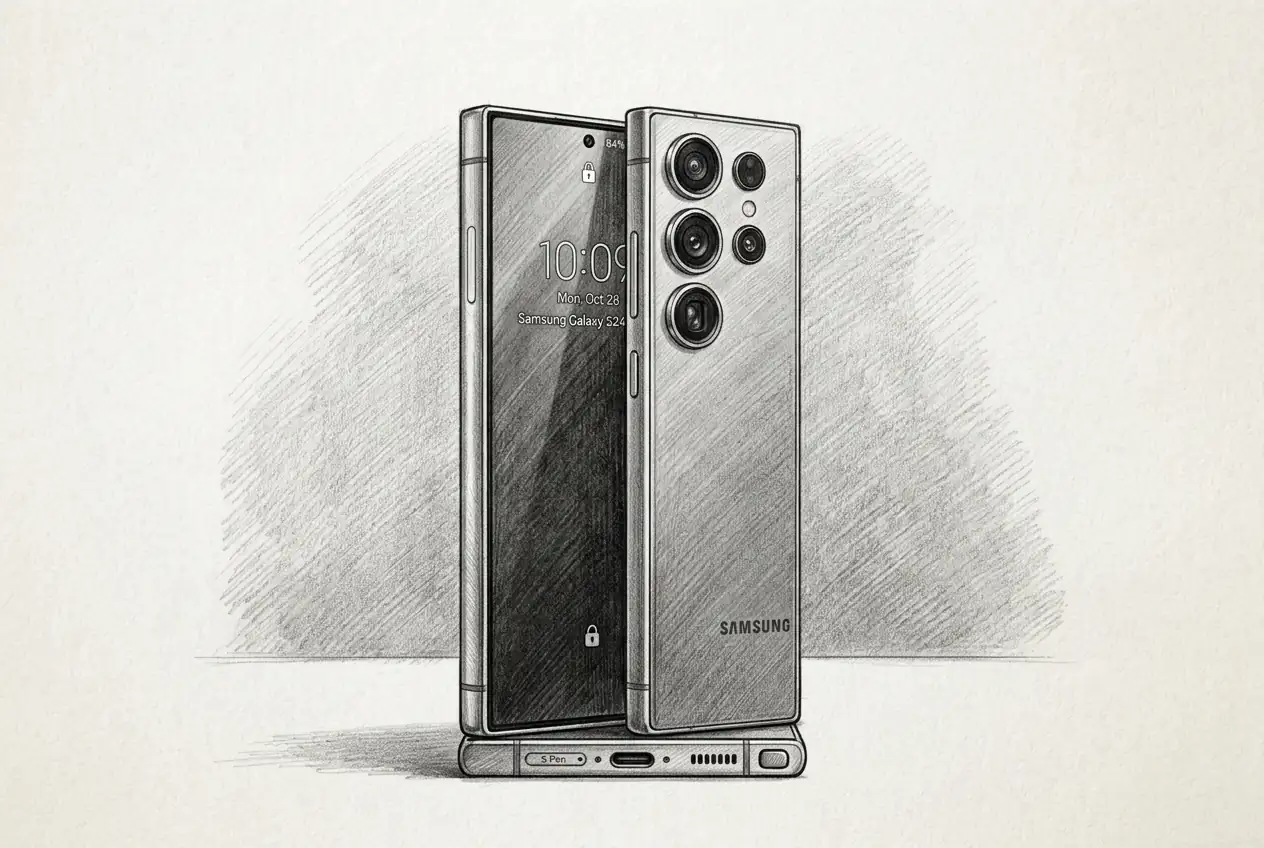
Shares shifted as Samsung Electronics surged 6.1% to $4,444 on August 7, extending a rebound from an early-August selloff as investors digested the full implications of the company's Q2 earnings call: the global memory chip shortage isn't ending — it's getting worse. The question now is whether the stock's run-up fairly reflects a structural shift in Samsung's business or simply a cyclical peak dressed up with a longer timeline.
• A Quarter That Borders on Surreal. Samsung posted operating profit of 89.5 trillion won (~$61.7 billion) for Q2 2026, up 1,814% year on year, on revenue of 171.5 trillion won, up 130% — both all-time records. The Device Solutions division, home to its memory chip operations, generated 127.5 trillion won in revenue and 89.2 trillion won in operating profit.
Operating margins hit 52%, up from 43% the prior quarter. That kind of profitability turns Samsung's chip arm into one of the most lucrative businesses on earth, quarter for quarter.
• The Shortage Won't Ease — Samsung Says It'll Get Worse. Executive VP Jaejune Kim told analysts: "The supply shortage in 2027 is expected to worsen compared to this year, and it is expected to continue in 2028."
Analysts describe AI memory as effectively sold out, and new fabrication plants cost $15–$20 billion and take years to build, so supply cannot respond quickly even when funding is available.
Samsung is locking in multi-year supply agreements with major data center operators , which smooths out revenue visibility — a rare luxury in the historically volatile memory business.
• The Other Half of Samsung Is Bleeding. Samsung's mobile and networks business posted an operating loss of 700 billion won, with earnings declining due to elevated component cost pressures across the industry.
Higher-priced chips drove up component costs in Samsung's own smartphone and TV divisions — a paradox where the chip business's success cannibalizes its sibling units. Analysts project consumer electronics price hikes of 5–20% , which could dampen device demand further.
• Investors Are Betting Against History. Memory chips have always been cyclical — prices surge, factories get built, oversupply crashes margins. Multi-year contracts give Samsung production planning visibility that could help it avoid the industry's traditional boom-and-bust swings. But investors "remain concerned about the sustainability of the AI boom and the risk of slower AI infrastructure spending by major U.S. technology firms." Samsung's stock is up roughly 20% in a single week. The premium now baked in assumes the AI spending spigot stays open through 2028 — a bet that leaves little room for disappointment.