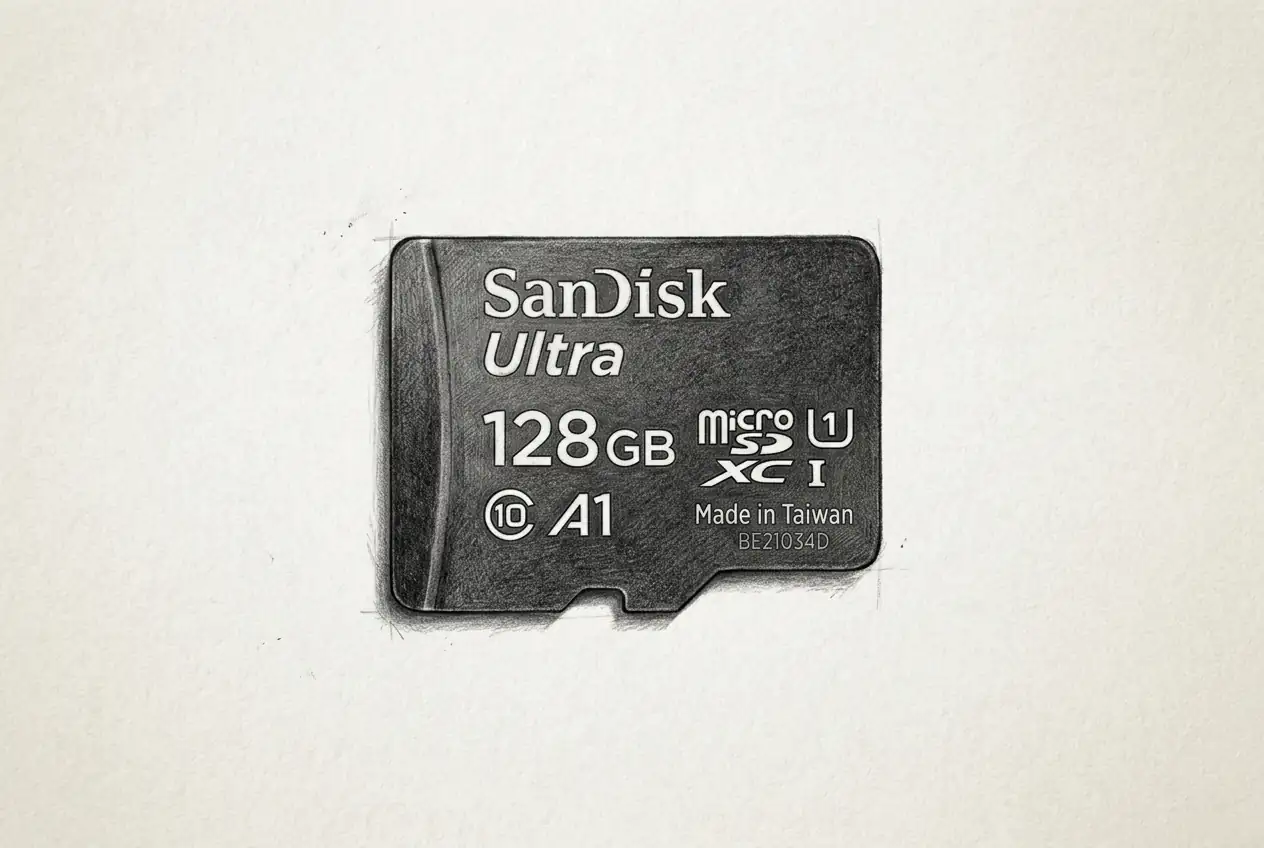
Shares of Sandisk cratered 10.1% to $1,448.00 on July 24, erasing more than $160 per share in a single session after the company issued quarterly guidance that fell short of Wall Street expectations and warned that NAND flash memory prices are headed lower. The selloff marks an abrupt reversal for a stock that had climbed roughly 7% over the prior week. Sandisk Drops 10% as NAND Price Fears Collide With a 700% Rally — Can the Memory Boom Survive Its Own Success?
Shares plunged 10.1% to $1,448 on July 24, extending a brutal slide that has now erased roughly 38% from Sandisk's June peak near $2,350. The immediate trigger: disappointing forward guidance and warnings of NAND flash price contraction that blindsided a market conditioned to quarter-after-quarter blowout results. For a stock that had been the top-performing name in the S&P 500 this year — up more than 700% year-to-date — the reversal raises a fundamental question about what happens when a cyclical commodity stock gets priced like a perpetual growth machine.
A Record Run Built on Scarcity Is Now Meeting the Clock Sandisk's explosive year was powered by a historic NAND shortage. NAND flash contract prices rose 70–75% in Q2 2026 alone , and the company's revenue surged 251% year-over-year to $6.0 billion, with gross margins reaching 78.4% . But the guidance miss signals management sees that pricing power fading. TrendForce's latest July report projects that steady growth in chip output and weak consumer electronics demand will gradually restore market balance, with supply tightness expected to diminish in the second half of 2027 . That timeline is close enough to spook investors paying a forward price-to-earnings ratio that recently expanded to roughly 64 times earnings .
An Analyst Downgrade Cracked the Armor
Erste Group downgraded Sandisk from Buy to Hold , and a Seeking Alpha analyst downgraded SNDK to a sell, citing an overextended valuation and heightened risk from uncertainty in demand from large cloud buyers . While bulls like Goldman Sachs still carry a $2,200 target, the bear case rests on a simple math problem: margins built on shortage pricing inevitably compress when new supply arrives.
New Supply Threatens the Profit Engine
Sandisk has signed five long-term supply agreements covering one-third of expected fiscal 2027 production, but an unprecedented wave of new NAND supply is expected to enter the market starting in early 2027 . In periods of tight supply, profit margins can be robust — but these are often followed by oversupply that pressures pricing and leads to profit compression . For shareholders, that cyclical reality is the core risk embedded in today's selloff.
The August 5 Earnings Call Is Now a Make-or-Break Event
Sandisk reports fiscal Q4 results on August 5 . Investors will scrutinize whether management reaffirms pricing strength or concedes that the cycle is turning. TrendForce still expects a 4–6% supply deficit for the rest of 2026 , meaning near-term fundamentals remain intact — but the stock is no longer priced for "near-term." It is priced for permanence, and permanence in memory chips is a dangerous bet.