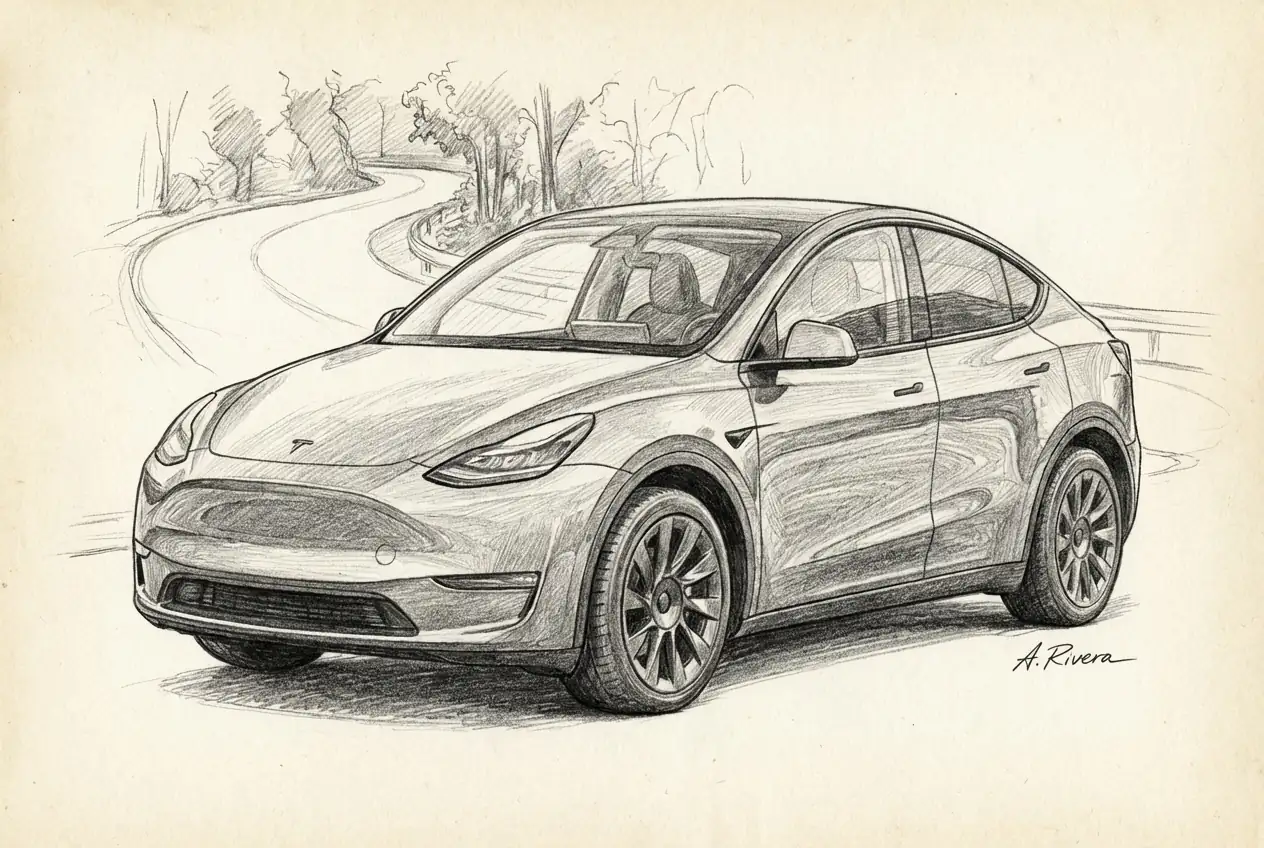
Shares surged as Tesla reported 486,532 third-quarter deliveries on October 2, handily topping Wall Street's expectations. Tesla shares climbed 5% on Friday after the electric vehicle maker reported deliveries for the third quarter that topped analysts' estimates. Yet the headline number masks a more complicated picture: the auto business that still generates most of Tesla's revenue is contracting year over year, even as the stock prices in ambitious bets on AI chips and robotaxis.
• The Beat Was Real, But the Bar Was Low
Tesla reported third-quarter deliveries of 486,532 vehicles — about 24,558 units, or 5.3%, above a company-compiled consensus of 461,974 from 24 analysts. That sounds impressive until you note deliveries were down 2.1% from the record 497,099 delivered in the same quarter last year. Analysts had already trimmed estimates after a soft first half, so Tesla cleared a lowered hurdle rather than demonstrating re-acceleration.
• Inventory Drawdowns Flattered the Numbers
Tesla delivered 22,141 more vehicles than it built. That's the second quarter in a row that it has worked down inventory, and between Q2 and Q3, it has now cleared the roughly 50,000 excess vehicles it built in Q1. In other words, the delivery beat was partly a warehouse-clearing exercise, not purely fresh demand. Production of 464,391 vehicles — what the factories actually made — tells a more cautious demand story.
• The Year-to-Date Trend Still Favors Growth
Through three quarters, Tesla has delivered 1,324,681 vehicles, up 8.8% from 1,217,902 at the same point in 2025. That cushion means Tesla can still post full-year growth even if Q4 merely matches Q3. For shareholders, the key date is October 21, when Tesla reports full financial results, including profit margins that reveal whether higher volumes came at the cost of deeper discounts.
• The Terafab Wildcard Looms Over Valuation Beyond cars, Musk confirmed that TSMC is in talks over a potential role in his Terafab chipmaking project — a joint $25 billion chip fabrication facility in Austin, Texas.
Terafab won't produce meaningful volumes until 2029–2030 at the earliest, but if it works, it could secure Tesla's own supply of advanced AI chips for self-driving and robotics. That's a massive, speculative bet stacked on top of a car company whose core product line just shrank year over year — the tension investors must weigh when deciding whether today's rally has legs.